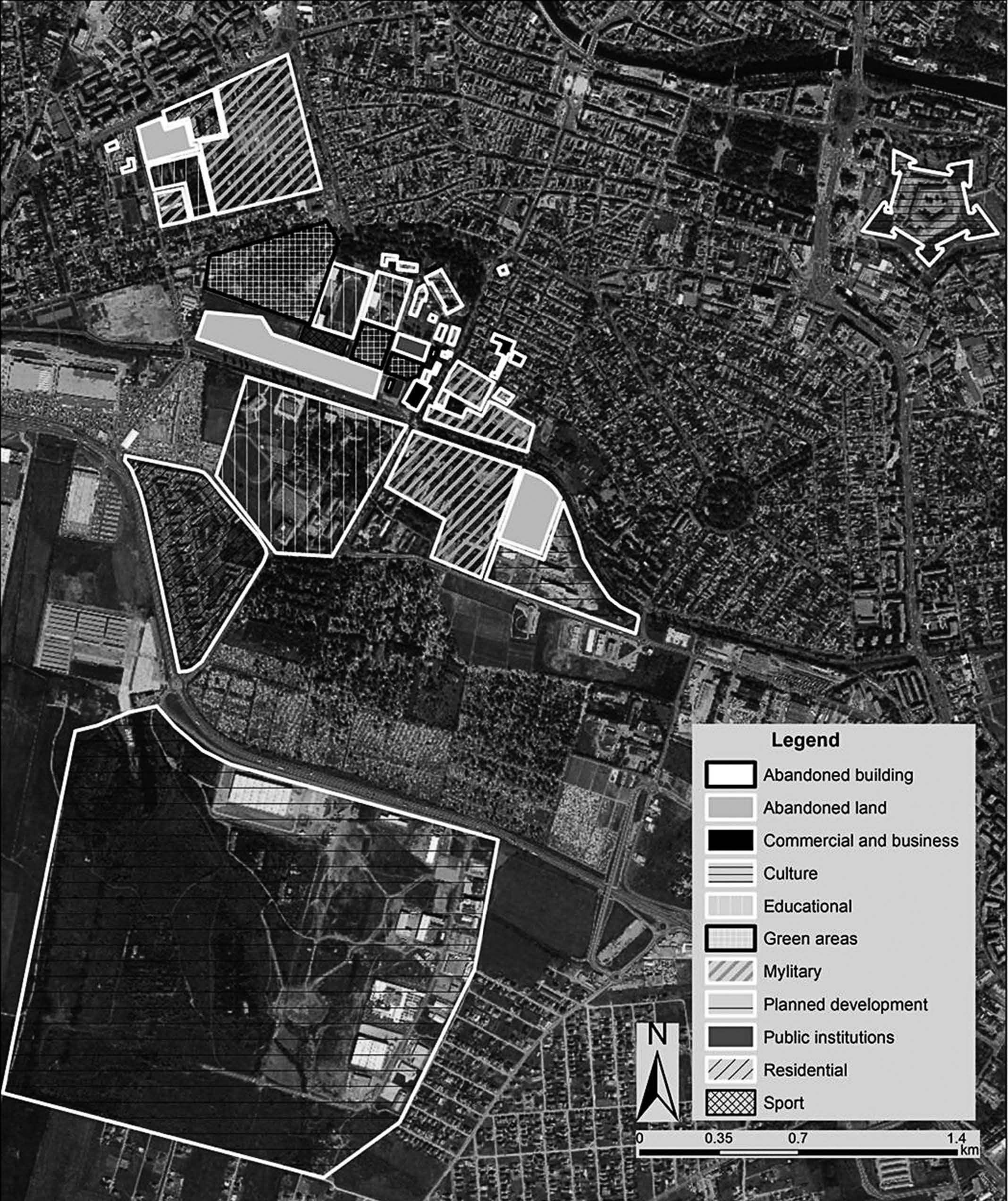
In some places, history is still alive; these are the heritage sites, places of great cultural, scientific, educational and social significance. The military presence in the city of Oradea, Romania, generated a great cultural-historical heritage, with tangible and intangible manifestations, consequence of centuries of alternative militarization and demilitarization processes. The aim of the article is to explain that the former military areas are great sustainable historical, cultural, architectural and socio-economic local assets, with a specific function in the urban texture. The research methodology integrates the review of the relevant literature, fieldwork, analysis of the evolution and status of the former military areas, and synthesis, which helped us, reach the conclusions. The results of the study underline the great significance and role of the former military sites in the urban structure, society and economy, by providing important functions like tourism, education, public administration, military, residential, commercial or industrial. The main issue is to transform the abandoned military heritage sites into potential elements of sustainable urban development and to create a new and vivid part of urban texture. The military areas heritage is very common to many countries and this article explain the particular common features, helping sharing experiences, know-how, best practices on the transformation of military sites to public uses in Europe and around the world.
This research was supported by grant TUDFO/47138-1/2019-ITM of the Ministry for Innovation and Technology, Hungary.
DOI: https://doi.org/10.31577/archandurb.2021.55.1-2.6

This work is licensed under a Creative Commons Attribution 4.0 International License